
The Past in the Present
The ReaderThe novel traces how the Nazi past persists in postwar lives through institutions, inherited shame, intimate memory, and incomplete attempts at reckoning.
increasing Bearing strength in each event
 decreasing
Bearing strength in each eventdecreasingPostwar Silence
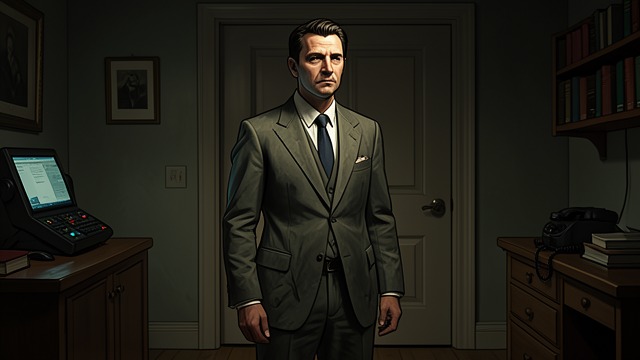
A Past Not Discussed
A Father’s History
Michael knows that his father lost his lectureship after planning a lecture on Spinoza and worked as an editor during the war. His father does not want to talk about himself.
A Generation Without Answers
The family’s silence reflects the broader difficulty of knowing what parents did, witnessed, or tolerated. Michael’s later urge to question and condemn grows in the space left by this limited knowledge.
Students of the Camps
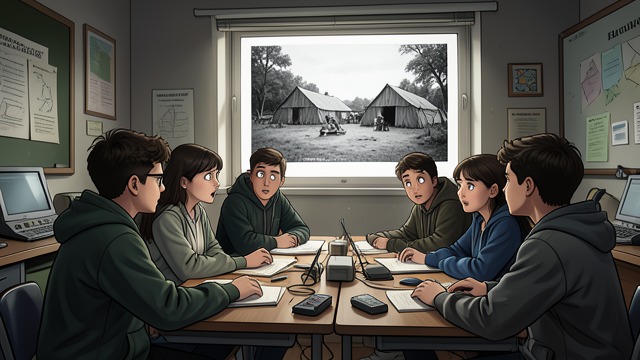
A New Public Reckoning
Learning Through Testimony
The seminar’s students follow the trial and see themselves as explorers opening a window onto concealed horrors. They believe convictions are only a beginning and that the wider generation must also be judged.
The Risk of Certainty
Their energy can become a display of horror rather than a patient engagement with it. Michael later recognizes that accusation may convert shame into activity without solving the moral problem.
The Camp as Imagination
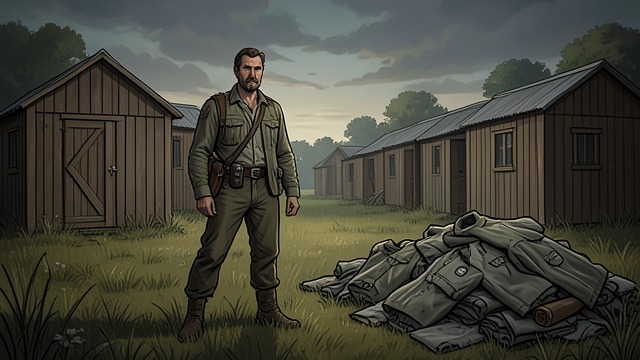
Images and Limits
Familiar Photographs
Michael’s generation knows a small set of images: gates, bunks, possessions, and piles of corpses. These images recur until they harden into a limited cultural picture of the camps.
Failure of Visualization
At Struthof, Michael cannot make the historical scene real despite trying to count barracks and imagine prisoners. The failure reminds him that knowing images is not the same as understanding the people who lived and died there.
Everyday Indifference
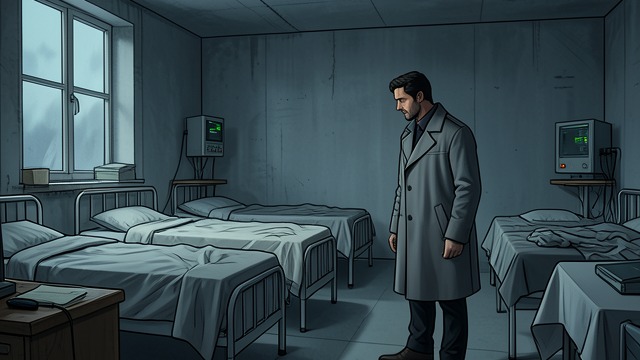
A Different Explanation
The Driver’s Challenge
A driver asks whether Michael already understands murders committed for passion, money, power, or war. He rejects the assumption that the camps require a special hatred of each victim.
Victims as Objects
He describes an executioner who treats killing as routine work and feels indifference rather than rage. Michael is outraged, yet cannot simply dismiss the possibility that ordinary indifference enables extraordinary crimes.
Living with the Inheritance
No Clean Separation
The Past Still Present
Michael concludes that historical study connects past and present in a single reality. The crimes cannot be placed safely behind him because their effects shape institutions, family stories, and his own choices.
Shame Without Innocence
He cannot point at the guilty without acknowledging love for Hanna and his own complicity in silence. The inherited burden is neither identical to perpetrators’ guilt nor something a later generation can simply discard.
In Michael’s family life after the war
During the university seminar
During the trial’s summer recess
During Michael’s drive toward Struthof
In Michael’s later reflections
